The Artist
Sharmini.
I'm a self-taught painter working from a small studio at the edge of the city. My practice is slow and quiet — I spend more time with each canvas than I expect to, building it up in layers, scraping it back, and waiting for the surface to speak.
The work moves between abstract and contemporary, but it's never about nothing. It's about the weather of a particular morning, the way a certain blue sits next to a certain cream, the small geographies that appear when paint dries in a thick ridge.
If a painting finds you, I'd love to know. Every piece leaves the studio with a handwritten note.
Art by Sharmini is the studio practice of Sharmini, operating under Nouvelle Design.

Process & Materials
Layer by layer, knife by knife.
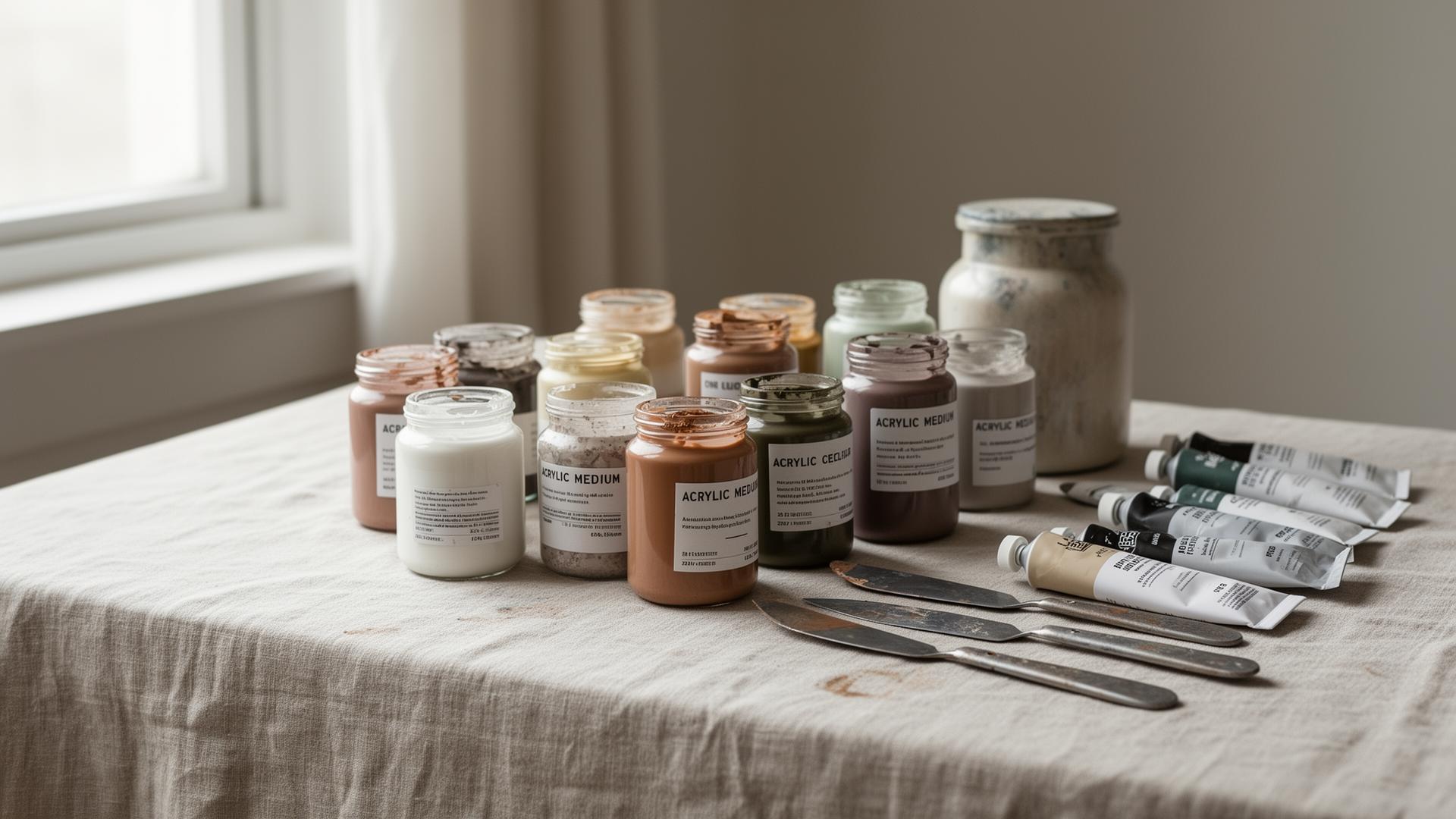
Every painting begins with a stained ground and ends, sometimes months later, with a final ridge of pure pigment. Here's how the surface gets built.
- 01
Ground & underpainting
Heavy-body acrylic thinned with matte medium, brushed onto raw cotton or linen, then sanded and sealed. This first surface sets the temperature of the whole piece.
- 02
Building the body
Soft and heavy gels, modeling paste, and marble dust are mixed into the paint to create body. I work the surface with palette knives, masonry trowels, and at times the edge of a credit card.
- 03
Layering & scraping
Each layer is allowed to fully cure — sometimes a week — before the next is added or scraped back. This is where most of the time goes, and where the texture becomes a real geography.
- 04
Final accents & sealing
A final pass of pure pigment in heavy body acrylic. The painting is then sealed with a satin polymer varnish to lock in the surface and protect the color.
Pigments
Professional heavy-body acrylics — Golden, Liquitex Professional, and a small palette of artisan-mixed earth tones I keep on hand.
Texture mediums
Soft gel (matte and gloss), heavy gel, light molding paste, marble dust, and the occasional pinch of fine pumice for tooth.
Surfaces & finish
Hand-stretched cotton or Belgian linen on solid pine bars. Final coat of satin polymer varnish for archival protection.
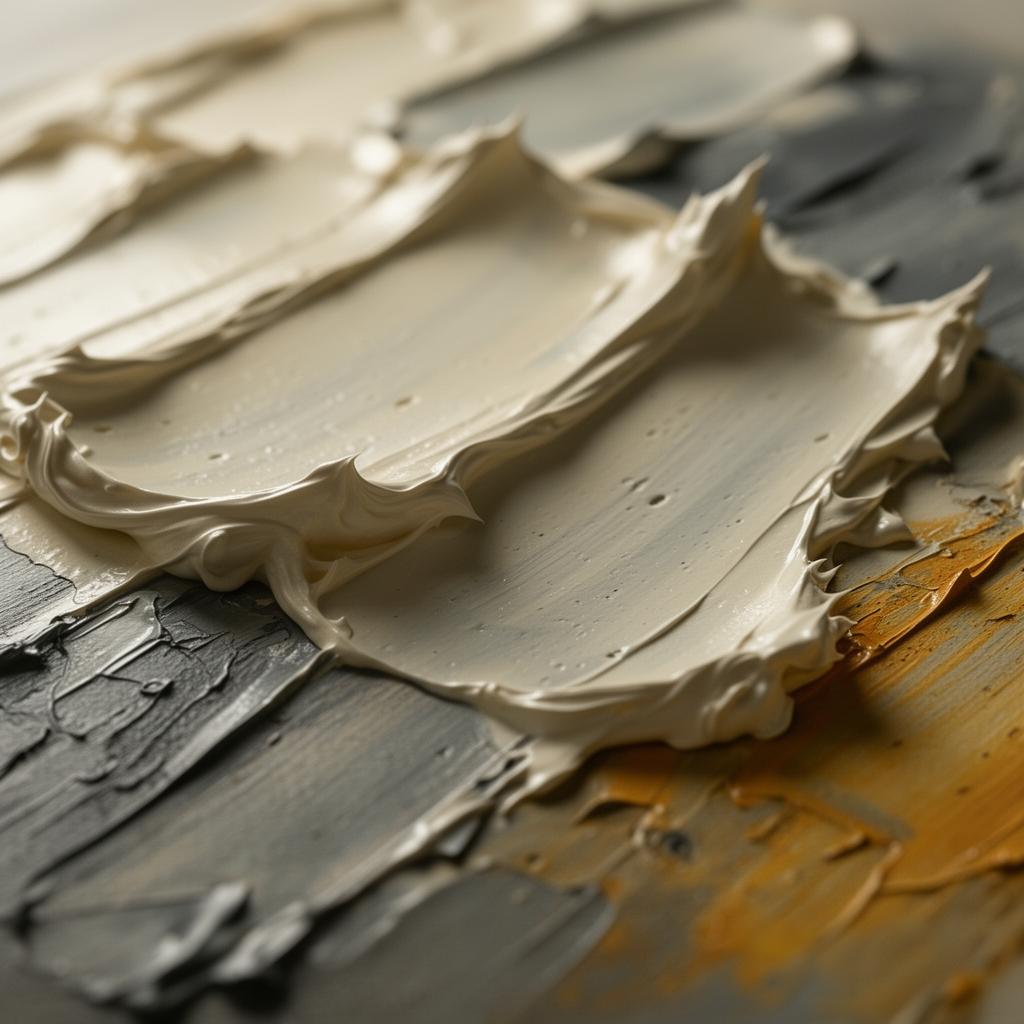
Hover to study the surface
Get in Touch
Commissions, press, hellos.
For commission inquiries or anything else, send a note. I read every message myself and reply within a few days.